

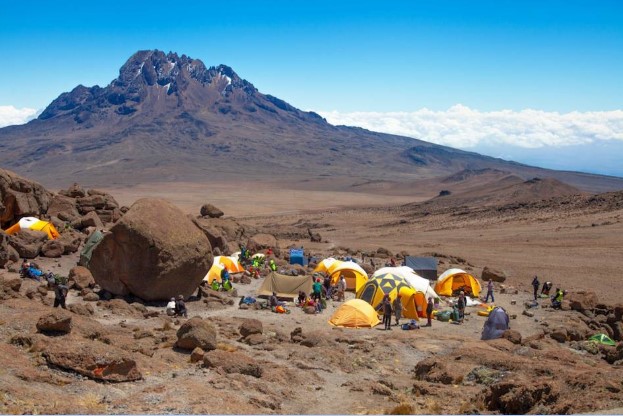
Every year, approximately 35,000 adventurers set out to climb Mount Kilimanjaro, drawn by the allure of standing atop Africa’s highest peak. This freestanding mountain, rising dramatically from the Tanzanian plains, offers one of the world’s most rewarding high-altitude experiences without requiring ropes, harnesses, or technical mountaineering expertise. For those dreaming of conquering a legendary summit, understanding the realities, preparations, and strategies behind a successful Kilimanjaro expedition transforms aspiration into achievement.
Why Climb Mount Kilimanjaro?
Mount Kilimanjaro isn’t merely a mountain—it’s a transformative experience that pushes physical boundaries while offering unparalleled natural beauty. Standing at 5,895 meters above sea level, Kilimanjaro holds the distinction of being the world’s tallest freestanding mountain and one of the Seven Summits representing each continent’s highest point.
The appeal extends beyond altitude statistics. When you climb Mount Kilimanjaro, you traverse through five ecological zones in a single journey—from lush montane forests teeming with colobus monkeys and exotic birds, through heath and moorland dotted with giant groundsels, into the stark alpine desert, and finally to the glaciated arctic summit zone. This compressed ecological diversity creates a trek unlike any other on Earth.
For many, Kilimanjaro represents personal triumph. The mountain welcomes climbers from teenagers to septuagenarians, from seasoned adventurers to first-time trekkers. Unlike Everest or Denali, Kilimanjaro democratizes high-altitude mountaineering, making summit glory accessible to anyone with determination, preparation, and respect for the mountain’s challenges.
Kilimanjaro’s Volcanic History and Geography
Understanding Kilimanjaro’s geological story enriches your climbing experience. This stratovolcano formed approximately one million years ago through three distinct volcanic cones: Shira, Mawenzi, and Kibo. While Shira and Mawenzi are extinct, Kibo remains dormant, last erupting between 150,000 and 200,000 years ago. Volcanic activity created the mountain’s distinctive profile and fertile lower slopes.
Uhuru Peak, your ultimate destination, crowns Kibo’s crater rim. The summit crater measures roughly two kilometers across and contains the Northern Ice Field, remnants of once-extensive glaciers rapidly retreating due to climate change. Scientists predict these ancient ice formations may vanish entirely within the next decade, adding urgency to climb Mount Kilimanjaro while these natural wonders still exist.
The mountain’s independent position creates unique weather patterns. Unlike ranges where peaks share atmospheric conditions, Kilimanjaro generates its own microclimate systems. Moisture-laden winds from the Indian Ocean dump precipitation on the southern and eastern slopes, creating lush rainforests, while the northern flanks remain comparatively arid.
Selecting the Right Route for Your Kilimanjaro Adventure
Seven official routes ascend Kilimanjaro, each presenting distinct advantages, challenges, and experiences. Your route choice profoundly influences summit success probability, crowd levels, scenery variety, and overall satisfaction.
Machame Route: Known as the “Whiskey Route” for its challenging nature compared to the easier “Coca-Cola” Marangu route, Machame attracts approximately 50% of all climbers. This popularity stems from excellent success rates (around 85% on seven-day itineraries), spectacular scenery including the Shira Plateau and Barranco Wall, and superior acclimatization profiles. The route requires camping throughout and typically takes six to seven days.
Lemosho Route: Widely considered the most scenic pathway to climb Mount Kilimanjaro, Lemosho approaches from the west, beginning at the mountain’s most remote trailhead. The seven to eight-day trek provides exceptional acclimatization through gradual elevation gain and varied terrain. Lower initial traffic levels mean quieter early days before merging with Machame near Lava Tower. Lemosho commands premium pricing but delivers outstanding value through higher success rates and wilderness experiences.
Marangu Route: The original tourist route, Marangu offers the only hut-based accommodation option with dormitory-style sleeping arrangements. Many consider this the easiest route due to gentler gradients and better facilities. However, five-day itineraries typical of Marangu provide inadequate acclimatization, resulting in lower success rates (approximately 60-70%). Budget-conscious climbers and those averse to camping gravitate toward this option despite compromised summit odds.
Rongai Route: Ascending from the north near Kenya’s border, Rongai provides a distinctly different perspective. This route experiences less precipitation, making it ideal for rainy season attempts. The seven-day trek follows moderate gradients through relatively untouched wilderness areas. Rongai suits climbers seeking solitude and those preferring gradual, steady ascents over dramatic elevation changes.
Northern Circuit: The newest and longest established route, taking eight to nine days, circumnavigates Kilimanjaro’s northern slopes before approaching the summit. This extended duration allows superior acclimatization, yielding success rates exceeding 90%. The Northern Circuit provides unparalleled mountain views from every angle while minimizing crowds. This premium route appeals to those prioritizing summit success and willing to invest extra time and budget.
Training Protocols: Preparing Your Body to Climb Mount Kilimanjaro
Physical preparation determines whether you enjoy Kilimanjaro or endure it. While the mountain requires no technical climbing skills, sustained multi-day trekking at high altitude demands cardiovascular fitness, muscular endurance, and mental resilience.
Begin structured training four to six months before your departure. Cardiovascular conditioning forms your foundation—aim for 45 to 60 minutes of aerobic activity five to six days weekly. Hiking with elevation gain provides the most relevant training, but cycling, running, swimming, and rowing all build necessary endurance. Progressively increase intensity and duration, peaking six weeks before departure, then tapering to arrive fresh.
Weekend training hikes should gradually lengthen, ultimately reaching six to eight hours with a weighted pack simulating actual trekking loads. Gain as much elevation as geography permits—climbing stairs, hiking hills, or using stair-climbing machines develops the specific muscle groups and movement patterns you’ll employ on Kilimanjaro.
Strength training targeting legs, core, and back prevents injuries and maintains form when fatigue sets in. Incorporate squats, lunges, step-ups, deadlifts, planks, and back extensions twice weekly. Strong stabilizer muscles around knees and ankles reduce injury risk on uneven terrain.
Don’t neglect hiking downhill—descents stress knees considerably and account for many trek-ending injuries. Practice descending techniques using trekking poles to distribute forces and spare joints.
Mental training deserves equal attention. Summit night presents extreme cold, oxygen deprivation, exhaustion, and doubt. Visualization exercises where you mentally rehearse pushing through discomfort builds psychological resilience. Many summit failures result from mental, not physical, limitations.
Mastering Altitude Adaptation
Altitude adaptation represents the critical factor determining who summits and who retreats. Understanding high-altitude physiology and respecting acclimatization protocols dramatically improves your chances to successfully climb Mount Kilimanjaro.
Above 2,500 meters, reduced atmospheric pressure means each breath delivers less oxygen. Your body compensates through increased breathing rate, elevated heart rate, and eventually increased red blood cell production. This adaptation requires time—typically one day per 300-500 meters of elevation gain above 3,000 meters.
Acute Mountain Sickness (AMS) strikes when ascent outpaces adaptation. Symptoms begin with headache, nausea, fatigue, dizziness, and sleep disturbance. Mild AMS affects most Kilimanjaro climbers at some point. Moderate symptoms include severe headache unrelieved by medication, vomiting, increasing weakness, and coordination problems. Severe altitude illness manifests as High Altitude Pulmonary Edema (HAPE) with fluid in lungs, or High Altitude Cerebral Edema (HACE) with brain swelling—both medical emergencies requiring immediate descent.
Prevention strategies include choosing longer routes providing gradual ascent, maintaining hydration (three to four liters daily), avoiding alcohol and sleeping medications, eating carbohydrate-rich foods, and moving slowly (“pole pole” in Swahili). Many climbers take acetazolamide (Diamox) to accelerate acclimatization, though this requires consultation with physicians familiar with altitude medicine.
The “climb high, sleep low” principle accelerates adaptation. Routes incorporating acclimatization days where you hike to higher elevations before returning to lower camps for sleeping optimize physiological adjustments.
Listen to your body and communicate honestly with guides about symptoms. Pride-driven concealment of altitude sickness symptoms endangers yourself and potentially your entire group.
Critical Gear and Equipment Considerations
Appropriate equipment dramatically affects comfort, safety, and summit success when you climb Mount Kilimanjaro. The mountain’s extreme temperature range—from tropical heat in rainforest zones to arctic cold at the summit—demands versatile, quality gear.
Sleeping Systems: Invest in a four-season sleeping bag rated to at least -15°C (5°F), ideally -20°C (-4°F). Down bags offer superior warmth-to-weight ratios in dry conditions, while synthetic bags maintain insulation when damp. Many operators provide sleeping bags, but rental quality varies considerably.
Clothing Layers: The layering system provides temperature regulation flexibility. Base layers should be moisture-wicking merino wool or synthetic fabrics—never cotton. Mid-layers provide insulation through fleece or lightweight down jackets. Shell layers protect against wind and precipitation through waterproof, breathable jackets and pants. Summit night requires heavy insulated jacket, insulated pants, expedition-weight gloves with liners, warm hat, and balaclava.
Footwear: Well-broken-in, waterproof hiking boots with adequate ankle support form your foundation. Boots must accommodate thick socks and potential foot swelling at altitude. Bring camp shoes (lightweight hiking shoes or sandals) for evening relief. Gaiters prevent scree, mud, and moisture from entering boots.
Trekking Poles: Adjustable trekking poles reduce knee stress during descents by up to 25% while providing stability on loose terrain. They’re especially valuable during summit night’s steep, scree-covered descent.
Hydration Equipment: Carry minimum three-liter capacity through water bottles or hydration bladders. Insulated bottles prevent freezing during summit night. Water purification tablets or filters ensure safe drinking water.
Technical Items: Quality headlamp with spare batteries, high-SPF sunscreen, UV-protection sunglasses, personal first-aid kit including blister treatment, hand warmers, and altitude sickness medication round out essential equipment.
Daily Life on the Mountain
Understanding typical daily routines helps you mentally prepare to climb Mount Kilimanjaro. While specific schedules vary by route and operator, patterns remain consistent.
Porters deliver morning tea or coffee to tents around 6:30 AM, followed by washing water. After breakfast, you pack personal items while porters dismantle camp with impressive efficiency. Trekking begins around 8:00 AM, following the guide’s “pole pole” pace—deliberately slow to facilitate acclimatization.
Hiking days typically last four to seven hours with frequent rest stops for snacks, hydration, and photography. Guides set sustainable paces, though impatient climbers must resist urges to rush—speed increases altitude sickness risk exponentially.
Upon reaching camp, tents await setup, lunch arrives shortly, and afternoons allow rest, acclimatization hikes, or exploring surrounding areas. Afternoon tea precedes dinner around 6:30 PM. Post-dinner briefings cover the following day’s plans, and guides conduct basic health checks including oxygen saturation measurements.
Summit night disrupts this routine dramatically. Waking around 11:00 PM for light snacks and hot drinks, climbers depart by midnight for the six to eight-hour summit push. This strategic timing aims to reach Uhuru Peak at sunrise while ensuring frozen scree remains firm underfoot. The post-summit descent returns you to high camp for brief rest before continuing to lower elevations.
Porter Welfare and Ethical Tourism
The success of your climb depends entirely on guides, assistant guides, cooks, and porters who carry equipment, prepare meals, and establish camps. Ethical treatment of these mountain workers represents both moral imperative and practical concern.
Approximately 70 porters support each climbing group, carrying loads up to 20 kilograms across challenging terrain. Historically, porter exploitation included inadequate clothing, excessive loads, insufficient food, and unfair wages. Organizations like the Kilimanjaro Porters Assistance Project (KPAP) now certify operators meeting ethical treatment standards.
Choose tour operators committed to fair porter treatment, providing proper equipment, appropriate load limits (15 kilograms plus 5 kilograms personal belongings), adequate food and shelter, and fair wages. While this increases trip costs, it ensures your adventure doesn’t exploit vulnerable workers.
Budget $250 to $350 for crew tips—a significant expense but crucial compensation for extraordinarily hard work. Tipping ceremonies on the final day provide opportunities to thank these remarkable individuals who make summit dreams possible.
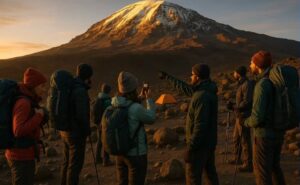
Understanding Costs and Budgeting
Financial planning for your Kilimanjaro expedition requires understanding both direct climbing costs and ancillary expenses. Expect total expenditures between $4,000 and $10,000 depending on choices and home location.
Climbing packages range from $1,800 to $6,000, varying by route length, group size, operator standards, and season. Longer routes with better acclimatization profiles command premium pricing. Private climbs cost more than group departures. Prices include park fees ($800+), guide and porter salaries, food, camping equipment, and ground transportation.
Additional costs include international flights ($800-$2,000), Tanzanian visa ($50-$100), vaccinations ($200-$400), travel insurance with high-altitude coverage ($150-$300), personal gear purchases or rentals ($300-$1,000), crew tips ($250-$350), and pre/post-climb accommodation ($30-$200 per night).
Budget padding for unexpected expenses such as gear replacements, delayed flights, extra hotel nights, or souvenirs ensures financial stress doesn’t compound climbing challenges.
Optimal Timing: When to Climb Mount Kilimanjaro
Kilimanjaro welcomes climbers year-round, but seasonal patterns significantly affect conditions, crowds, and success rates. Strategic timing optimizes your experience.
Primary climbing seasons align with Tanzania’s dry periods: late December through mid-March and June through October. These months deliver clearer skies, reduced precipitation, more stable weather, and better visibility. However, summit temperatures remain brutally cold regardless of season.
The January-March window offers warmer temperatures, fewer crowds than peak season, and occasional snowfall enhancing scenic beauty. Wildflowers bloom in lower zones, adding color to the landscape. Chinese New Year and school holidays can increase traffic during February.
June through October represents peak season with the most predictable weather and highest traffic volumes, especially on popular routes. July and August see maximum crowding. September and October provide excellent conditions with slightly reduced crowds as European summer holidays end.
April through May constitutes the long rainy season. Heavy precipitation creates muddy, slippery trails and reduced visibility. However, this period offers significant advantages: minimal crowds, discounted rates, and lush, green landscapes. With proper gear and flexibility for weather delays, rainy season climbs succeed regularly.
November’s short rains bring unpredictable weather—some years see heavy precipitation, others remain relatively dry. This shoulder season balances moderate crowds with uncertain conditions.
Environmental Considerations and Conservation
Mount Kilimanjaro faces significant environmental pressures from climate change and tourism impacts. Responsible climbers minimize their footprint while supporting conservation efforts.
Kilimanjaro’s glaciers have retreated approximately 85% since 1912, with projections suggesting complete disappearance within this decade. Rising temperatures attributed to global climate change threaten this iconic feature that has crowned the mountain for millennia. Witnessing these ancient ice fields adds urgency to climb Mount Kilimanjaro soon.
Tourism impacts include trail erosion, waste accumulation, and vegetation damage. Practice Leave No Trace principles: pack out all trash, use designated toilet facilities, stay on established trails, and respect wildlife. Many operators now carry portable toilet systems to remote camps, significantly reducing environmental impacts.
Supporting conservation through selecting operators committed to environmental stewardship, participating in community tourism initiatives, and educating yourself about Kilimanjaro’s ecosystems demonstrates respect for this natural wonder.
Conclusion
To climb Mount Kilimanjaro represents more than achieving a physical goal—it offers profound personal transformation through testing limits, embracing discomfort, and ultimately triumphing over adversity. This extraordinary mountain provides accessible high-altitude adventure while maintaining genuine challenge that separates summit achievers from those who underestimate its demands.
Success requires comprehensive preparation spanning physical training, altitude acclimatization strategies, appropriate gear investments, route selection wisdom, and mental fortitude. The journey rewards you with memories transcending the summit itself: friendships forged through shared struggle, diverse ecosystems compressed into a single trek, cultural exchanges with Tanzanian guides and porters, and self-discovery emerging from extended time in nature’s cathedral.
Whether you seek personal challenge, natural beauty, or simply the glory of standing atop Africa, Kilimanjaro delivers experiences that resonate for lifetimes. The mountain teaches patience through “pole pole” philosophy, humility through altitude’s equalizing effects, and gratitude for the privilege of accessing such magnificent wilderness. When you finally stand at Uhuru Peak, exhausted but exhilarated, you join a global community bound by respect for this legendary summit and pride in achieving something extraordinary.
Key Takeaways
- Altitude Acclimatization is Non-Negotiable: Choose routes offering 7+ days for optimal adaptation; longer duration directly correlates with 85-90% success rates versus 50-65% on shorter treks
- Training Begins 4-6 Months Before Departure: Build cardiovascular endurance, leg strength, and mental resilience through progressive hiking with weighted packs and sustained aerobic exercise
- Route Selection Determines Experience Quality: Lemosho and Northern Circuit offer superior acclimatization, scenery, and success rates; Machame balances popularity with effectiveness; Marangu provides comfort but lower success
- Gear Quality Impacts Summit Success: Invest in four-season sleeping bag (-15°C minimum), layered clothing system for extreme temperature ranges, quality boots, and reliable headlamp
- Hydration Prevents Altitude Sickness: Consume 3-4 liters of water daily to facilitate acclimatization and maintain performance at elevation
- Ethical Porter Treatment is Essential: Select KPAP-certified operators ensuring fair wages, proper equipment, reasonable loads, and adequate provisions for mountain crews
- Budget $4,000-$10,000 Total Investment: Include climbing fees ($1,800-$6,000), flights, gear, insurance, tips, and contingencies in comprehensive financial planning
- Optimal Climbing Windows: January-March and June-October provide best weather; avoid April-May long rains unless prepared for challenging conditions and seeking solitude
- “Pole Pole” Philosophy Saves Summits: Deliberately slow pace facilitates acclimatization and conserves energy for summit night; patience literally pays dividends
- Environmental Stewardship Preserves Kilimanjaro: Practice Leave No Trace, support conservation-minded operators, and recognize climate change threatens the mountain’s iconic glaciers
Frequently Asked Questions
How fit do I need to be to climb Mount Kilimanjaro?
You should comfortably hike 5-7 hours daily for consecutive days carrying a light daypack. While summit night is challenging, adequate training (4-6 months of cardio exercise, hiking, and strength work) prepares most healthy individuals. Mental determination often matters more than peak fitness levels.
Is Kilimanjaro dangerous?
When approached responsibly with proper acclimatization, Kilimanjaro is relatively safe. The primary risks are altitude sickness (preventable through gradual ascent), falls on uneven terrain, and hypothermia during summit night. Fatality rates are extremely low (approximately 3-7 deaths annually among 35,000 climbers) when using reputable guides.
Can beginners climb Mount Kilimanjaro?
Absolutely. Kilimanjaro requires no technical climbing skills—it’s essentially a very high-altitude trek. Many first-time trekkers successfully summit with proper preparation, appropriate route selection, and realistic expectations. Age ranges from teenagers to 80+ year-olds.
What is the youngest/oldest age to climb Kilimanjaro?
Tanzania National Parks sets the minimum age at 10 years, though most operators recommend 12-15 years minimum. There’s no official upper age limit—climbers in their 70s and 80s regularly summit. Individual fitness and health matter more than chronological age.
How do I prevent altitude sickness on Kilimanjaro?
Choose longer routes (7+ days), ascend gradually following “climb high, sleep low” protocols, stay well-hydrated (3-4 liters daily), avoid alcohol, eat carbohydrate-rich foods, move slowly, and consider acetazolamide (Diamox) after consulting with an altitude-experienced physician. Communicate symptoms honestly with guides.
Do I need porters to climb Kilimanjaro?
Yes. Park regulations require all climbers to use registered guides, and practical considerations make porter support essential. Porters carry camping equipment, food, and personal duffel bags, allowing you to hike with only a light daypack. This significantly improves your summit chances.
What is the temperature on Mount Kilimanjaro?
Temperatures vary dramatically by zone: 20-30°C (68-86°F) in the rainforest, 0-15°C (32-59°F) in moorland, and -10 to -20°C (14 to -4°F) at the summit. Wind chill can push summit temperatures to -30°C (-22°F). Pack for extreme cold despite beginning in tropical heat.
How much should I tip guides and porters?
Budget $250-$350 total for crew tips, distributed among guides ($20-25 per day), assistant guides ($15-20 per day), cooks ($12-15 per day), and porters ($8-10 per day per porter). Tips represent significant income supplements and reflect appreciation for extraordinary work.
Can I climb Kilimanjaro during rainy season?
Yes, though conditions are more challenging. April-May sees the heaviest rainfall, creating muddy trails and reduced visibility. However, these months offer solitude, discounted rates, and lush landscapes. With quality rain gear and flexibility, rainy season climbs frequently succeed.
What happens if I can’t make it to the summit?
Guides assess climbers continuously and may require descent if altitude sickness symptoms become severe. There’s no refund for unsuccessful summits, though some operators offer discounted return attempts. Most importantly, descending when necessary prevents life-threatening altitude illness—reaching the summit safely matters more than reaching it at all.
Do I need travel insurance for Kilimanjaro?
Essential. Purchase insurance specifically covering high-altitude trekking (up to 6,000 meters), emergency evacuation by helicopter, and trip cancellation. Standard policies typically exclude high-altitude activities. Evacuation from Kilimanjaro can cost $5,000-$10,000 without insurance.
How do I choose a reputable Kilimanjaro tour operator?
Research operators registered with Kilimanjaro National Park, verify KPAP certification for porter welfare, read recent reviews on multiple platforms, confirm safety protocols including emergency oxygen and evacuation plans, review inclusions and exclusions carefully, and ask about guide experience and client-to-guide ratios. Cheapest rarely means best.