

It is not a single huge error that leads to commercial projects failing. They fail because small details of setups are ignored at the beginning. Inaccessibility, insecure working conditions, and disorganised sites decelerate the work process and make it risky. The site should be prepared to accommodate the workers, equipment, and materials before any major build can take place.
A proper arrangement enhances safety, maintains feasible schedules, and minimizes unnecessary disruptions that can be very expensive. Understanding the major aspects of site preparation will ensure that the project managers and contractors can prevent general issues.
Site Planning and Layout
A successful project is always started with a clear site layout. It involves mapping of access paths, storage areas, equipment location, and work areas. A rational plan eliminates congestion and worker-to-worker cross-traffic. Proper planning is also important to make sure that the way to emergencies is clear and the materials do not cause any interference with the current work.
Scaffolding Hire
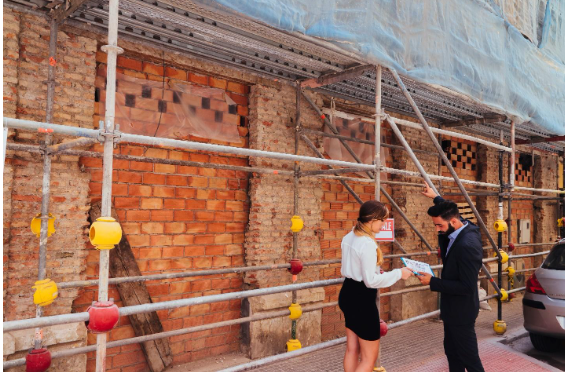
Scaffold hire is very important for safe and reliable access to height. Employees working in complex projects have to access many levels, facades, or hard-to-reach places on a regular basis. Poor access system delays working time and raises safety hazards.
The professional scaffolding hire also provides the installation of the appropriate system, depending on the size and complexity of the project. A well-constructed scaffolding ensures that employees work efficiently, move with ease, hold their tools safely, and work without straining unnecessarily.
Storage of Material and Signage
Poor storage of materials causes damage, wastage of time, and disorder during commercial construction. Specified storage areas ensure that the materials are arranged and stored without being exposed to the weather. Clear handling procedures are used to ensure the safe movement of heavy or dangerous materials. Structured storage enhances the workflow and minimises the chances of being injured on-site.
The signs guide the workers to move around the site, locate the hazards, and adhere to the safety measures. Daily short briefings and prominent information boards make sure that everyone is aware of their daily activities and the rules of the site.
Ground Conditions and Safety Systems
Even equipment, temporary structures, and foot traffic require a stable ground. Rough or unstable floors can cause accidents and damage to equipment. The preparation of the ground can be done in the form of levelling, compacting of soil, or laying down temporary roads.
The construction sites should be designed to ensure the safety of workers and citizens. This involves guard rails, signs, fall prevention, and access points. Effective safety guidelines minimise the frequency of accidents.
Temporary Services and Utilities
Essentials like power, water, lighting, and sanitation, which are temporary, are necessary for continued productivity. It allows planning utility access early in order to avoid outages and make sure that tools and equipment work correctly during the project.
Commercial construction projects demand access control as a way of safeguarding workers, equipment, and materials. Fencing, access points, and surveillance can be used to prevent theft and access by other people. Secure sites also lower the liability and provide a more structured workplace.