

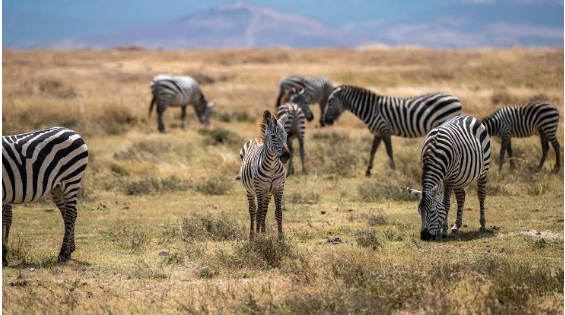
Tanzania has a reputation as a premium destination, and in some respects it is. Park fees are high, distances are long, and the best camps can cost a small fortune. Yet an affordable Tanzania safari is entirely possible. Thousands of travelers each year see the Serengeti, Ngorongoro Crater, and Tarangire on sensible budgets, and come home with the same wildlife memories as those who spent several times more.
This guide explains why Tanzania costs what it does, where the real savings lie, which trade-offs are worth making, and how to avoid false economies that can spoil a trip.
Why Is a Tanzania Safari Expensive in the First Place?
Understanding the cost structure helps you find where savings are genuine.
Park and conservation fees. Entry fees for national parks and conservation areas are charged per person per day, and they make up a large share of any safari price. These fees are set by the authorities and are the same whichever operator you use, so no legitimate company can remove them.
Vehicle, fuel, and guide costs. A well-maintained 4×4 with a professional driver-guide is a major expense, especially given the distances between parks and the condition of some roads.
Accommodation. Lodges and camps in prime locations have high operating costs because supplies and staff must be brought in to remote areas.
Season. Demand in the dry months pushes prices up sharply.
Knowing this, the smart approach is to reduce costs where you have real control: season, group size, accommodation style, itinerary length, and transport.
Ways to Make a Tanzania Safari More Affordable
1. Travel in the Shoulder or Low Season
Timing is the biggest lever you have. Peak season from roughly July to October and the Christmas period carry the highest rates. Consider these alternatives:
- November to mid-December: The short rains bring green landscapes, good birding, and noticeably lower prices.
- January to March: Calving season in the southern Serengeti and Ndutu area offers excellent predator action, and rates are often lower than in peak months.
- April to May: The long rains bring the lowest prices and the fewest visitors, but some camps close and roads can be muddy. This suits flexible, adventurous travelers.
2. Join a Group Departure or Share a Vehicle
Vehicle and guide costs are fixed, so splitting them among more people lowers the cost per person. Group-joining safaris, where you share a vehicle with other travelers, are usually the cheapest way to go. If you are a family or a group of friends, filling a vehicle yourselves gives you the same saving with more privacy.
3. Choose Budget or Mid-Range Accommodation
Safari accommodation falls into three broad tiers:
| Style | What to expect | Cost level |
| Budget camping | Simple tents, shared facilities, basic meals | Lowest |
| Budget lodges and tented camps | Basic private rooms or tents, often outside park boundaries | Low to moderate |
| Mid-range lodges and camps | Comfortable rooms, en-suite bathrooms, good food, better locations | Moderate |
A comfortable mid-range option often gives the best balance for first-time visitors. Camping is cheapest and can be great fun, but it is less comfortable and suits those who accept simpler conditions.
4. Drive Instead of Fly
Light-aircraft transfers between parks are convenient but expensive and come with strict luggage limits. A road safari is considerably cheaper and lets you see rural Tanzania along the way. The compromise is more hours in the vehicle, so plan realistic daily distances.
5. Keep the Itinerary Focused
Trying to cover too many parks drives up costs and tires you out. A tight itinerary built around the northern circuit highlights can deliver superb sightings in a shorter time:
- Tarangire National Park for elephants and baobabs
- Ngorongoro Crater for dense wildlife and a chance at black rhino
- Serengeti National Park for big cats and the migration
Skipping minor stops saves money and gives you more time at the places that matter.
6. Book Direct with a Local Operator
Locally owned Tanzanian operators generally price below overseas agencies, because there is no extra layer of commission. They also tend to know the parks and guides very well. Always verify licensing and read independent reviews before paying a deposit.
7. Book Early and Ask About Deals
Some operators and lodges offer early-booking discounts, last-minute deals, and special rates for longer stays or larger groups. It is always worth asking, and being flexible on dates can unlock lower prices.
Where Not to Save Money
A low price is only a bargain if the trip delivers. Some savings backfire.
Vehicle condition. Breakdowns waste precious game-viewing time and can be unsafe. Confirm that vehicles are well maintained, have a roof that opens for viewing, and carry a window seat per guest.
Guide quality. An experienced guide finds animals, explains behavior, and keeps you safe. Poorly paid or untrained guides can mean fewer sightings. Be cautious of prices far below the market average.
Hidden costs. An unusually cheap quote may leave out park fees, meals, or transfers. Always ask for an itemized breakdown of what is and isn’t included.
Safety and insurance. Comprehensive travel insurance, including medical evacuation, is a sensible expense and should never be skipped.
Itinerary length. Cutting the Serengeti to a single night to save money often disappoints. Two or three nights there give far better results.
Sample Budget-Friendly Itineraries
5-day budget safari: Tarangire, Ngorongoro Crater, and a short Serengeti visit, using a road transfer and budget lodges or camping.
7-day value safari: Tarangire, Lake Manyara, Ngorongoro, and two full days in the Serengeti, staying in mid-range lodges outside park boundaries where possible.
Shoulder-season bundle: A mid-range northern circuit trip in November or March, taking advantage of lower accommodation rates and quieter parks.
Rates change each year, so request current quotes rather than relying on published averages.
Practical Tips to Stretch Your Budget Further
- Bring your own snacks and drinks from towns before entering parks, as items inside are priced at a premium.
- Pack light and smart so you avoid excess baggage charges on any flights.
- Check visa and vaccination requirements early, so you avoid last-minute costs. Confirm current rules with official sources.
- Carry small bills in local currency or US dollars for tipping and small purchases. Ask your operator for current tipping guidelines.
- Travel with a flexible attitude. Slightly simpler lodging or an extra hour on the road can save a large amount over a week.
Choosing a Trustworthy Budget Operator
Cheap does not have to mean risky, provided you check the basics:
- Valid licensing and registration with Tanzanian tourism authorities
- Itemized pricing with clear inclusions and exclusions
- Recent reviews on independent platforms
- Clear cancellation and refund policy
- Responsive communication before booking
- Fair treatment of guides, drivers, and camp staff
A reputable operator will explain exactly where savings come from, whether it’s a group departure, a shoulder-season date, or simpler accommodation, rather than hiding behind a headline price.
Conclusion
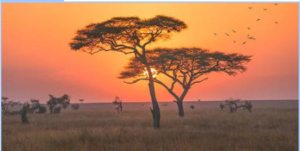
An affordable Tanzania safari is not about cutting corners; it is about making informed trade-offs. Travel outside peak months, share vehicles, choose comfortable but modest accommodation, and keep the itinerary focused on the best parks. Protect the things that determine quality, namely a good guide, a reliable vehicle, and enough time in the Serengeti. Do that, and you will see the same lions, elephants, and endless plains as any luxury traveler, for a fraction of the price.
Key Takeaways
- Park fees are fixed, so real savings come from season, group size, accommodation, and transport.
- Shoulder and low seasons offer substantially lower prices and fewer crowds.
- Group departures and shared vehicles are the cheapest ways to travel.
- Mid-range lodges and basic camping offer different balances of comfort and cost.
- Road transfers are cheaper than internal flights.
- Book directly with licensed local operators and request itemized quotes.
- Never compromise on guide quality, vehicle condition, or travel insurance.
- Allow at least two nights in the Serengeti, even on a tight budget.
Frequently Asked Questions
- How much does an affordable Tanzania safari cost?
Prices vary by season, group size, and accommodation style. Budget camping group trips cost the least, while mid-range private tours cost more. Request itemized quotes from several licensed operators to compare current prices. - What is the cheapest time to go on safari in Tanzania?
April and May, during the long rains, are typically the lowest-priced months, followed by November and early December. January to March can also offer good value. - Is a budget safari safe?
Yes, provided you choose a licensed operator with well-maintained vehicles and experienced guides. Avoid prices far below market rates, which can signal cut corners. - Can I see the Great Migration on a budget?
Yes. The herds are in the Serengeti ecosystem all year, and calving season in the south from January to March is often more affordable than the peak river-crossing months. - How many days do I need for a budget safari?
Five to seven days is enough to see the northern circuit highlights. Longer trips cost more but allow a more relaxed pace. - Are group safaris worth it?
They offer the best price, though you follow a fixed schedule and share the vehicle with others. Private trips give flexibility at a higher cost. - What costs are usually not included in the price?
Commonly excluded items include international flights, visas, tips, travel insurance, drinks, and optional activities such as balloon flights. Always confirm inclusions in writing. - Is camping safe on a Tanzania safari?
Camping in established campsites with experienced staff is safe when you follow guide instructions. Campsites are usually in or near parks, so wildlife may be nearby, and your guide will explain the rules.